


How Wireless Car Connectivity Is Changing Everyday Driving

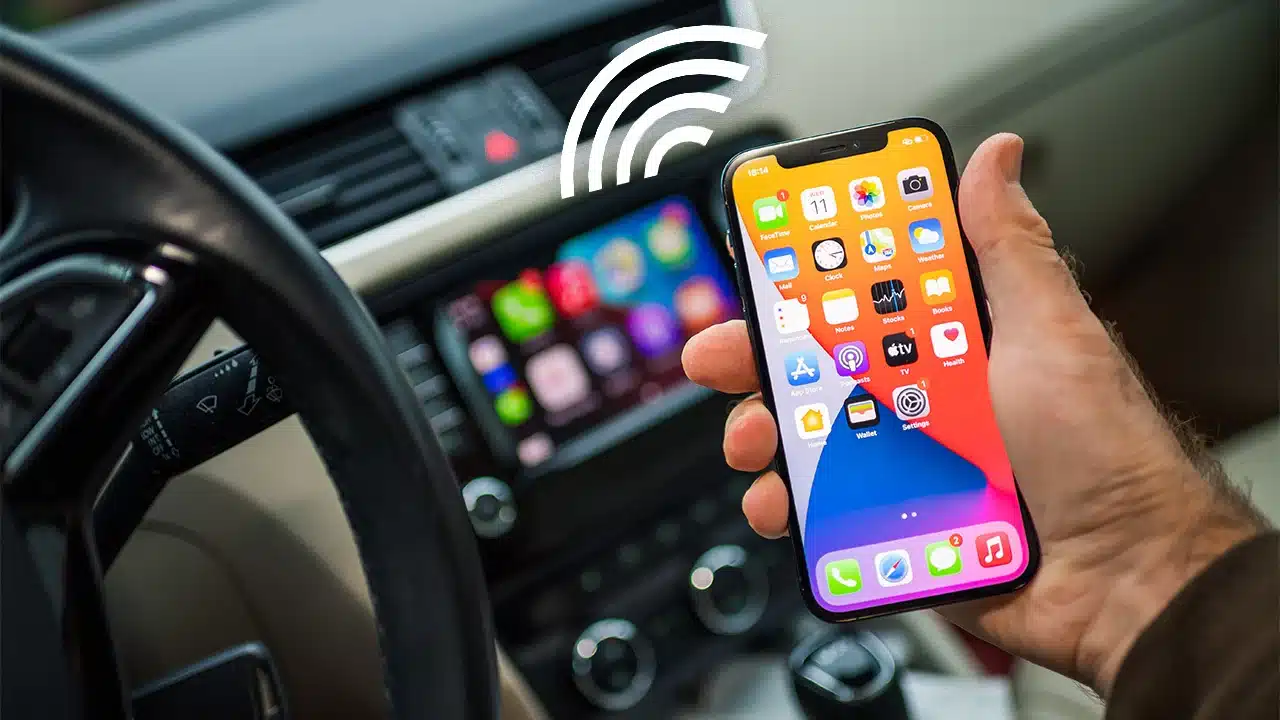
For many drivers, the car has become more than a way to move from one place to another. It’s a mobile workspace, a personal entertainment hub, a navigation center, and sometimes the only quiet zone in a busy day. As our dependence on smartphones grows, the connection between phone and car has become one of the most important parts of the driving experience.
This shift explains the rising popularity of systems like Apple CarPlay and Android Auto—platforms that mirror essential apps from your phone directly onto your car’s screen. Navigation, calls, messages, and music all become accessible in a safer, simpler way. But there’s still one limitation: many cars require a cable to make the connection.
That’s where wireless connectivity has transformed everything.
The Everyday Hassle of Wired CarPlay & Android Auto
Anyone who has used wired CarPlay or Android Auto knows the routine. You enter the car, dig for the cable, plug in your phone, wait for the connection, and hope the wire isn’t worn out or loose. It’s functional, but it interrupts the flow of daily driving.
Cables also wear out quickly, especially with repeated bending. And if someone else uses the car, you constantly switch cables depending on the device.
The desire for a smoother, more automatic experience led to the rise of wireless solutions.
Why Wireless Connectivity Feels Like a Natural Upgrade
Wireless CarPlay and Android Auto remove the friction from everyday use. As soon as you start the engine, your phone connects automatically. You keep the device in your pocket or bag, the interior stays clutter-free, and the dashboard feels cleaner.
Drivers get instant access to:
• Maps and real-time traffic
• Music and podcasts
• Hands-free calls
• Messaging apps with voice control
• Voice assistants like Siri and Google Assistant
The entire process shifts from “plug and wait” to “start and go.”
Enter the Universal Smart Box
A practical example of this upgrade is the Porodo Universal Wireless CarPlay & Android Auto Smart Box. Instead of replacing your car’s system, the Smart Box plugs into your existing CarPlay port and converts it into a wireless experience.
This type of device follows a simple principle: it bridges your car’s hardware with your phone’s wireless capabilities. For older vehicles with wired CarPlay or Android Auto, it unlocks a feature that otherwise didn’t exist.
Beyond the wireless aspect, the Smart Box offers smooth switching between iPhone and Android devices, which makes it helpful in shared cars—families, couples, or even company vehicles.
A Small Addition That Changes the Driving Routine
What stands out about devices like this is how they influence day-to-day behavior. Drivers tend to rely more on navigation because it appears instantly. Music or podcasts start without setup. Voice commands become faster, encouraging safer, hands-free interaction.
It’s a subtle improvement, but one that makes the driving experience noticeably calmer and more streamlined.
Where Car Tech Is Heading
As cars continue to adopt more digital features, wireless interfaces are becoming the new standard. They reflect the broader trend of removing cables, reducing clutter, and making everyday technology automatic instead of manual.
The Porodo Smart Box fits into this movement by providing an easy pathway to wireless connectivity—especially for cars that don’t support it out of the box.
In a world where convenience defines good technology, small upgrades like this are reshaping how drivers interact with their vehicles and their phones.